Your Piano - Your Music - Your Way
Tickle the Ivories
Pianos, Elephants and "White Gold"
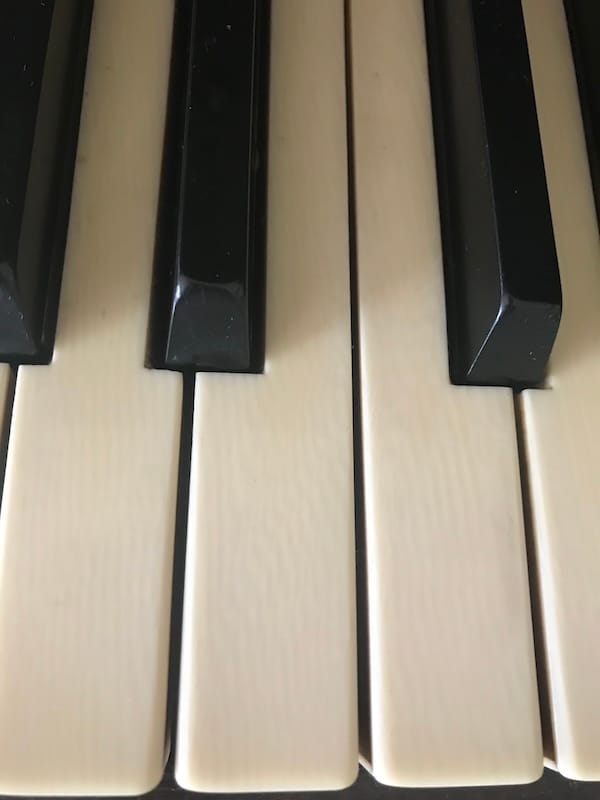
In 2018 an English University Professor migrating to New Zealand, had his family piano impounded on arrival. The ivory keys were removed and dumped by authorities before his piano was released.(1) He was devastated.
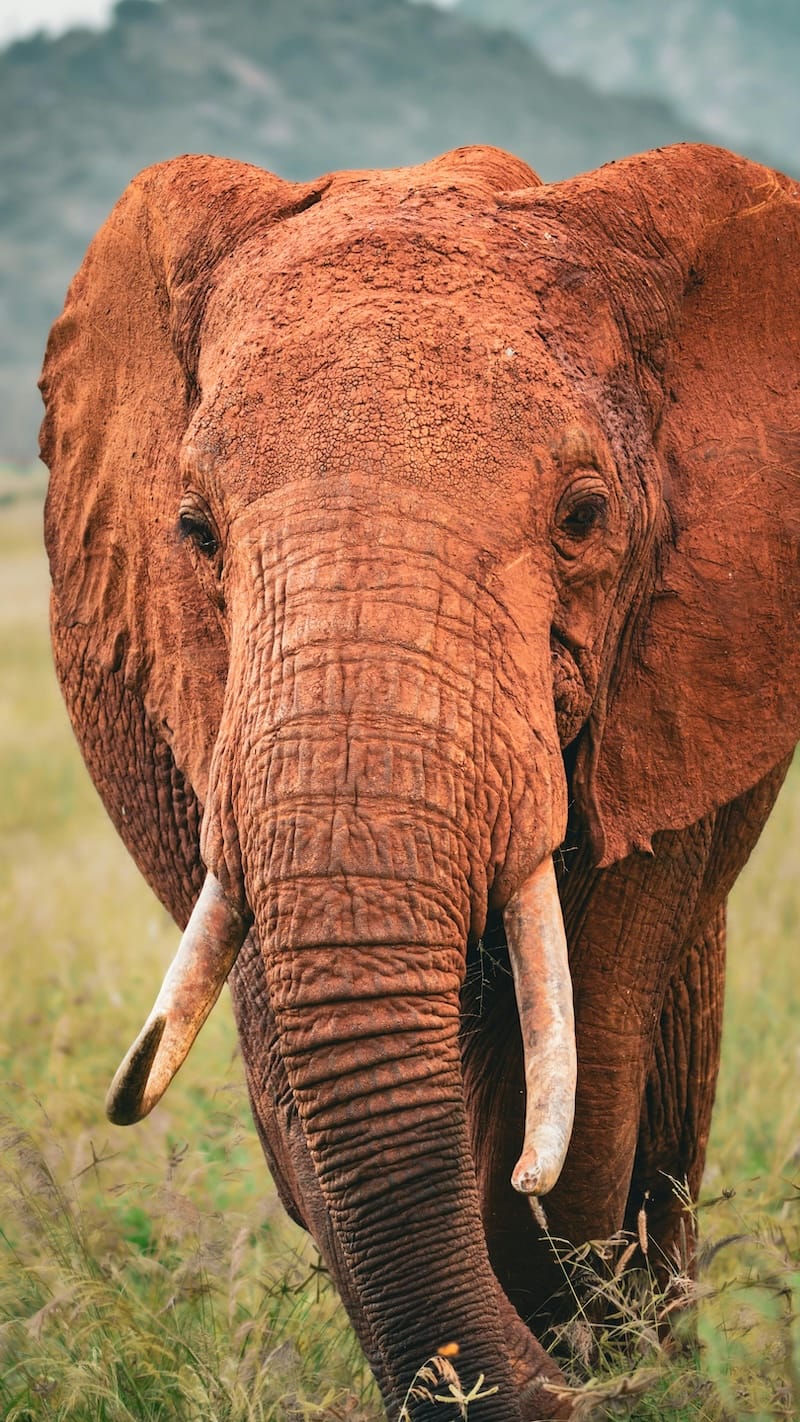
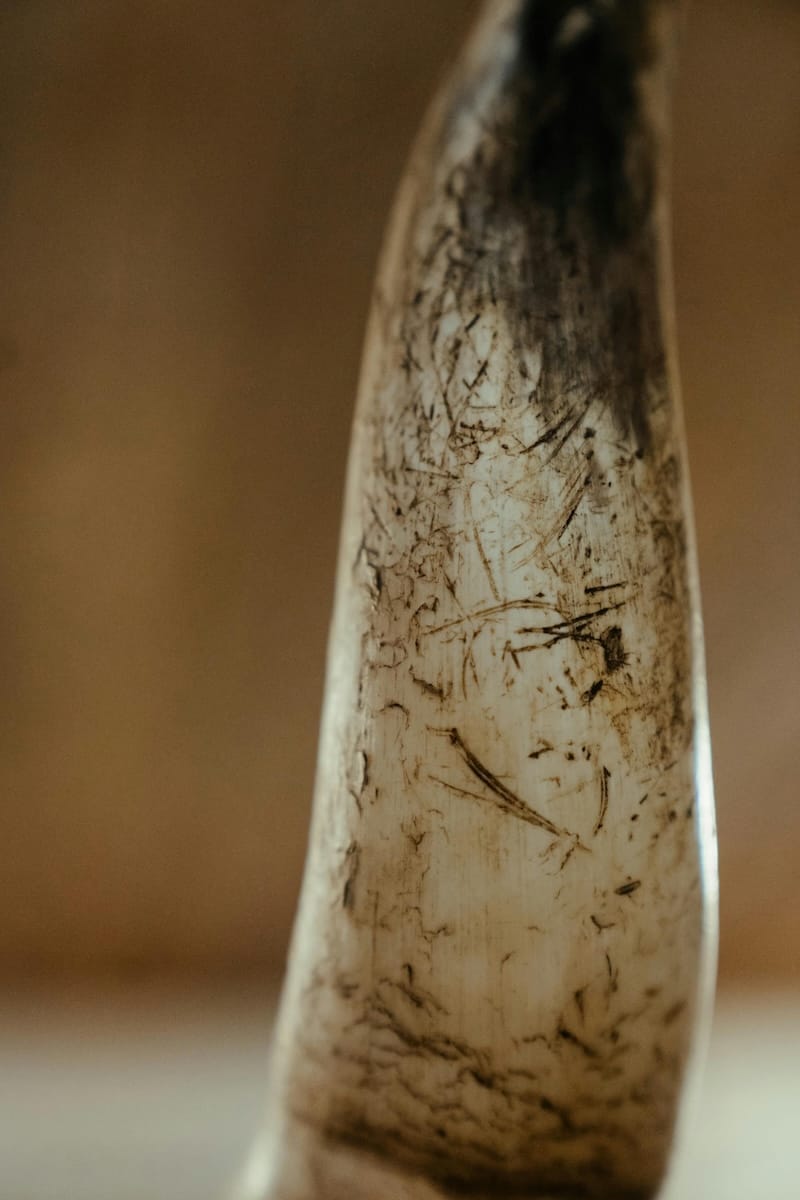
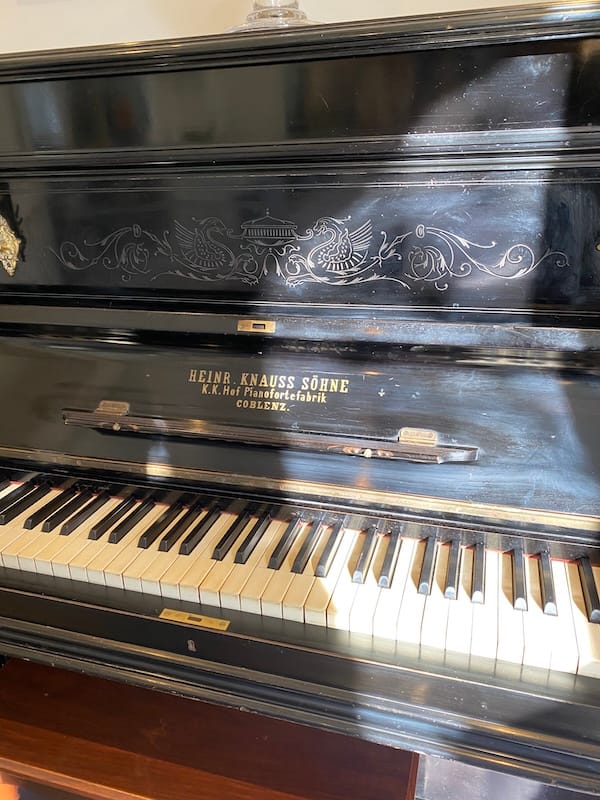
Ivory was used in making white piano keytops from the mid 1800’s up until the 1980’s. What is Ivory? It’s bone from the teeth or tusks of elephants, hippopotami, walruses, warthogs, sperm whales, or narwhals2. Most piano ivory comes from African Elephants. If you’re like me, your whole body will tense at the thought of an elephant being slaughtered to make piano keys. How could a musical instrument we love so much have this dark side?

By the mid 1800’s in Europe, industrialisation was in full swing. Music and the Arts were flourishing. Franz Liszt - the great Hungarian pianist was touring Europe giving performances to large audiences, increasing the popularity of the piano. This fuelled design changes to increase the piano’s volume and range. Piano manufacture was developing on a larger scale than ever before.
In this time of change, progress and learning, it must have felt like anything was possible. Before the turn of the century, the world would see the discovery of radio waves, the invention of the phonograph, the telephone, the electric light bulb, film and the motor car. Europe was looking to Africa for materials to further boost industry. One of the substances that fascinated and captured the imagination of manufacturers was ivory. It was white, smooth, durable, easy to carve to fine detail. It already had status as a precious material, being used for religious carvings for centuries. There was significance with the colour of white and its symbolism of purity. Ivory was known as “white gold”2. Before ivory, piano keys were plain wood. A thin covering of ivory was an attractive improvement. It was durable, and had a good feel under the fingers. It added an exotic element to the romance and allure of the piano.
Piano manufacture was also growing in America. Pratt, Read & Co was the biggest importer of ivory in the world during the late 1800’s. They made ivory combs, buttons, billiard balls and cutlery handles. Pratt built a lathe that could cut thin pieces of ivory for piano keytops. They could get 45 full piano keyboards from one tusk. Piano makers also wanted an even white colour which could be achieved by bleaching the ivory in sunlight. Huge hot-house buildings with glass roofs were built for the purpose.(3)
Sadly, there was an even darker human cost connected with the ivory trade. Most ivory was traded for weapons and Africans were taken as slaves to transport the ivory to ships. Their treatment was brutal and many did not survive the journey.(3)
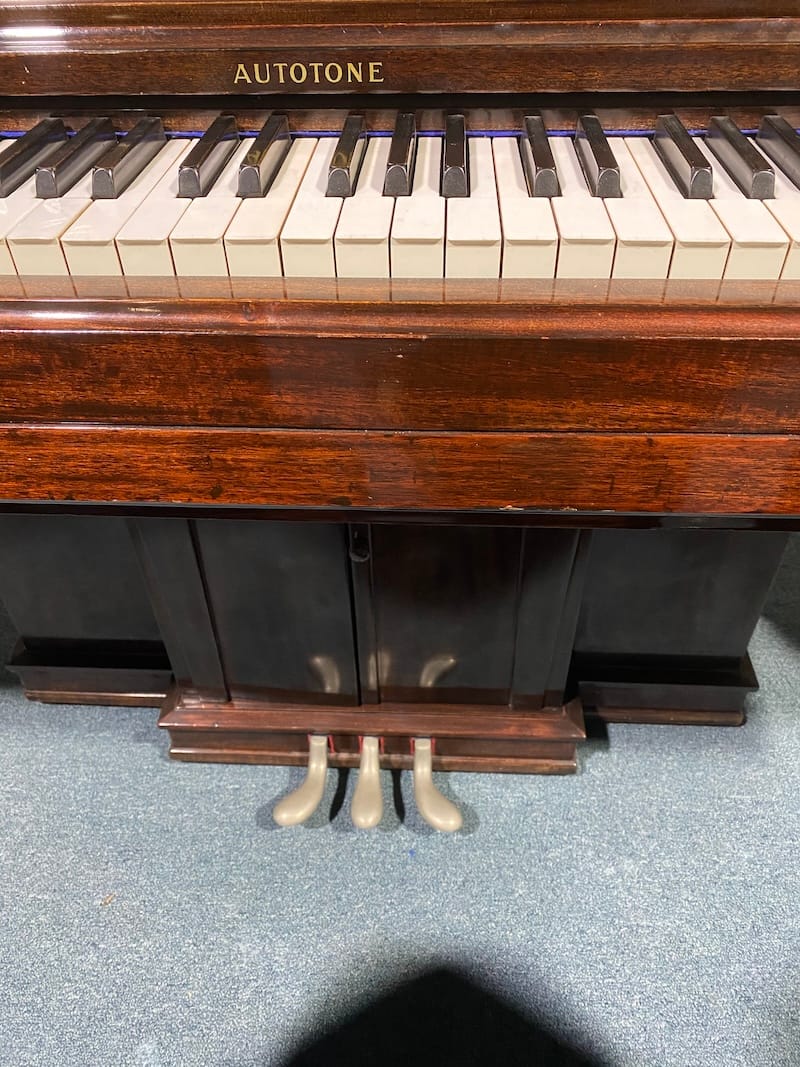
By the 1950’s plastic had mostly replaced ivory as a piano key covering in the USA because it was cheaper and had better durability. Some European piano makers continued to use ivory into the 1980’s for prestige models, but public sentiment was turning against it.
It’s estimated that in the year 1800, the African elephant population was 26 million. By 1989 the estimate was 600,000. This prompted a worldwide ban on ivory trade. For 10 years the killing stopped and the population rebounded to around one million. African and Asian countries began lobbying for relaxation of the trade ban to allow them to sell stockpiles of ivory. Sadly once this agreement was made and trade resumed, so did the killing. Africa’s elephant population went back into decline4.
So where does this leave our distraught English professor? Ivory can be replaced with plastic keytops, so his piano can be repaired, but it will never be the same.
What about the other pianos that still have ivory keytops? Ivory has a tendency to go yellow over time. Its porous nature can cause the tops to come off. Still, some have remained in remarkably good condition. It’s questionable whether replacing these ivories with plastic is an environmentally sound alternative.
Restoration of an older piano usually means keeping as much of the original structure and character as possible. What if you have an “almost complete” ivory keyboard? A surprising solution has been to use Woolly Mammoth ivory to complete your set. Woolly Mammoth have been extinct for thousands of years, so trading tusks is legal. Thousands are being found across Siberia preserved by cold and ice. Sadly, again this trade in ivory has increased demand in general, resulting in poaching of African elephants5. It’s also difficult for authorities to differentiate between the two materials.(6)
In December 2018, the United Kingdom passed a law that prohibits the sale or purchase of any objects containing ivory, regardless of their provenance or age.(2) This will have a big impact on the piano trade, but will it be enough to stop the killing?
Post Script
In 2013 residents of Deep River joined the worldwide effort for the conservation of African Elephants
"Deep River and Ivoryton flourished in the 19th and early 20th century because of the African ivory trade. Now is the time to help save the African elephant," Peter Howard - trustee of the Deep River Historical Society7
The buildings built for bleaching ivory keytops by Pratt, Read & Co in Deep River Connecticut have been converted to residential apartments called “Piano Works”.
References:
1 123-year-old piano stripped of its ivory keys, owner vows to fight back. By Jessie Yeung. July 31, 2018. CNN
https://edition.cnn.com/2018/07/30/australia/new-zealand-ivory-piano/index.html
2 Elephant Ivory, Zoos and Extinction in the Age of Imperialism (1870 - 1940’s) by Marianna Szczygielska Jul 5, 2019
3 Elephant Slaughter, African Slavery and America’s Pianos. August 18, 2014 by Christopher Joyce on National Public Radio (NPR)
https://www.npr.org/2014/08/18/338989248/elephant-slaughter-african-slavery-and-americas-pianos
4 Video History of the Ivory Trade by National Geographic
https://www.nationalgeographic.org/media/history-ivory-trade/
5 Of Mammoths and Men by National Geographic
https://www.nationalgeographic.com/magazine/2013/04/tracking-mammoths1/
6 Ngatia, J.N., Lan, T.M., Ma, Y. et al. Distinguishing extant elephants ivory from mammoth ivory using a short sequence of cytochrome b gene. Sci Rep 9, 18863 (2019). https://doi.org/10.1038/s41598-019-55094-x
7 Deep River, The African Elephant and Saving the Species by
https://www.theday.com/article/20131016/NWS01/310179782/1006/zip06

Your Piano- Your Music
Your Way




Created with systeme.io