
Your Piano - Your Music - Your Way
The Power of Pianos in Schools
There’s a power of having pianos in a school setting that goes beyond their obvious value as instruments to teach music on.
Pianos will strongly influence the culture in a music department in many ways. The net effect can be positive or negative but it’s undeniable.
Pianos have their own rules
School buildings may be enduring, but the curriculum, and the way teachers are preparing current students for the world is almost unrecognisable from even a few years ago. The world is changing so rapidly and our society’s values and way of life has shifted and continues to move.
In contrast, acoustic piano design and construction has only changed very slightly in the last 100 years, yet they’re still a much-loved standard of musical expression and have an honoured place in music education today.
Amidst this constant change, pianos hold 2 particular qualities that are so “out-of the ordinary” today, they make a jarring contrast to most other things that we own. But before we look into those two qualities, an example....
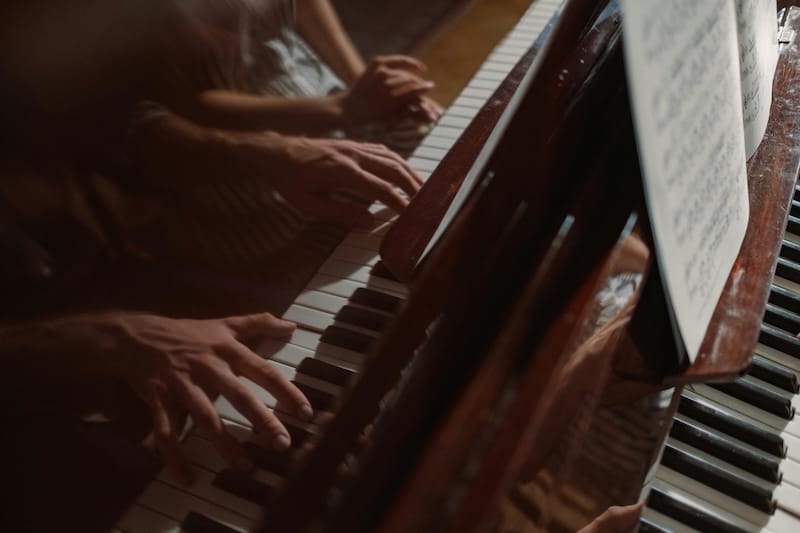
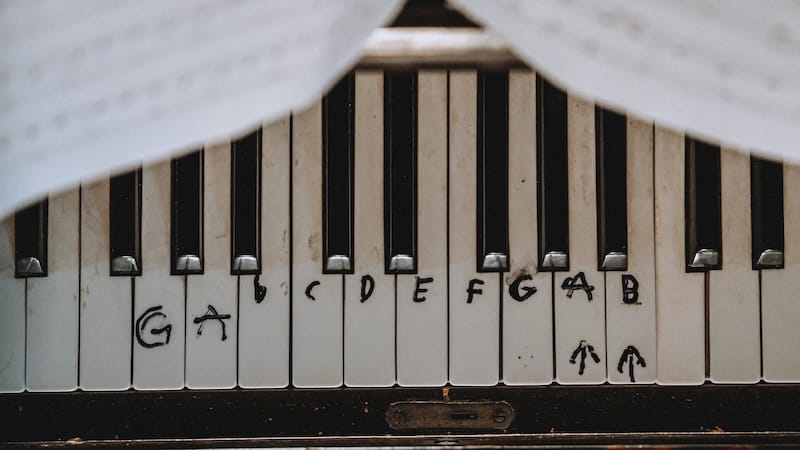
Power For good or not-so good?
Here’s a real-life story from my tuning business: A private school I tuned pianos for had a collection of good quality, well maintained pianos in nice rooms and the school had a good reputation. The music desk came loose on one of these pianos and eventually came off. Nothing was done about this.
A few weeks later, a student had scratched their tiny initials into the polish on the front of the piano with one of the screws that had held the music desk in place. Another couple of weeks went by and other scratch designs spread across the polish. Then, students started scratching the polish on some of the other pianos.
In a completely unrelated event, a lady I knew who taught piano at the school around this time casually mentioned that things were “a bit off” there lately. I didn’t give this too much thought at the time.
Another month after all of this, mechanical issues started occurring on the piano with the missing music desk. I was asked to come in and quote on repairs. The music desk was an easy fix. The mechanical problem was a pen dropped into the piano from the top – easily removed, but repolishing the front of the piano to remove the graffiti amounted to thousands of dollars. The teacher in charge decided it wasn’t worth the re-polishing, as it was only cosmetic.
Two qualities of pianos that makes them so powerful
Accessibility: The piano is an instrument that anyone can play. It’s not exclusively owned and played by one person like most other musical instruments. Unlike digital pianos or keyboards, the acoustic piano doesn’t even have to be switched on or powered up, it’s always ready to be played.
Permanence: A piano has a feeling of permanence because it generally stays where it's put. Its size and weight make it difficult to move around and it takes up quite a bit of physical space. A piano's lifespan is long. It's hard to ignore, and not easily replaceable.
Just the presence of a piano in a school makes a statement: “We value music so much, that we’ve made a permanent space for making music that’s accessible to all” That's powerful and symbolic.
Because pianos in schools are effectively community property, their condition and care is a reflection of the true collective consciousness or culture and what's acceptable there.
On a deeper level, because pianos are an iconic symbol of music in our wider culture, the way they're cared for, talked about and treated is silently interpreted as an attitude towards music in general.
Extremely Powerful.
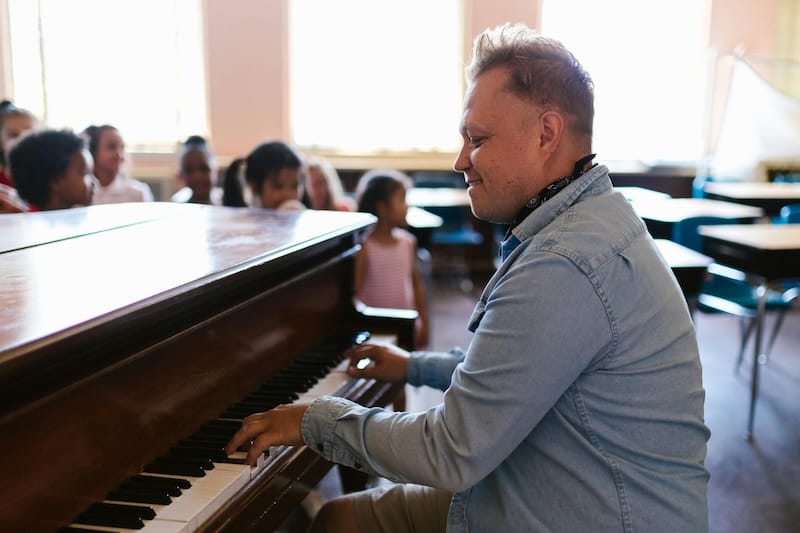
Our society has shifted so far from caretaker into consumer culture, there are limited points of experience that allow our younger generation to experience the beauty of owning things of longevity and quality.
We are proud to teach them about climate change and looking after the environment, but where are we teaching them the practicalities of living in a different way to bring this about?
Creating things that are more durable and longlasting means looking after them and treating them in a different way. Pianos are a powerful way to make it real – to remind ourselves of what this way of living was like and start to embrace it and live it again.
Your Piano- Your Music
Your Way




Created with systeme.io