
Your Piano - Your Music - Your Way
More than Piano Keys
The piano keys attract us -children and adults alike.
When we press or “play” the keys, a world of sound opens up to us. The keys on the piano give us musical expression, but they also give us a visual map to the musical world.
We can see as well as hear all the sounds the piano holds and explore their possibilities and combinations.
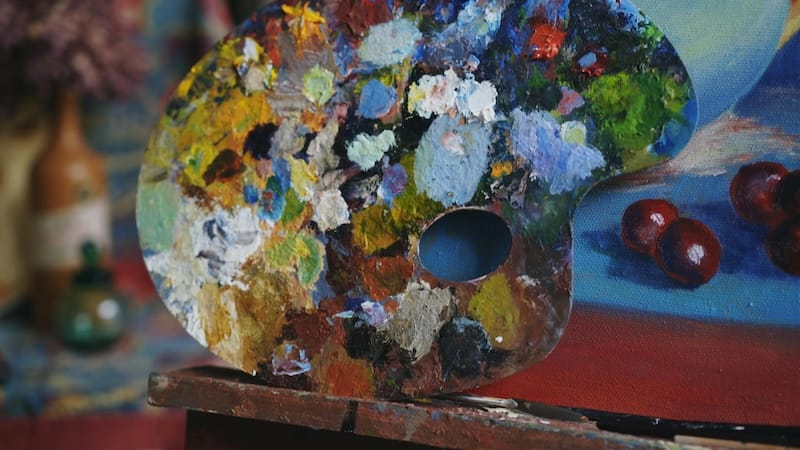
The piano keyboard is a trusted guide for the student and a painter’s pallet for the composer. It is unlike any other musical instrument.

The oblong, block-like shapes of the keys and their contrast in color and height draw us in. We
instinctively want to touch them.
Traditionally, piano keys were covered with ebony and ivory – two of the most luxurious and exotic natural substances in the world.
Ebony is a dense, black wood grown in India, Sri Lanka and Western Africa. It polishes to a highly smooth surface. It has long been considered a precious material. Carved ebony pieces have been found in Egyptian tombs. Ivory – carved from the tusk of an elephant is also a smooth, hard substance, white or
creamy in its color. Again, we are reminded that we are touching something precious.
Note: Modern piano makers have replaced the ivory as a material used for keyboards with more sustainable and compassionate materials.
Historically , because ivory was so precious, great care was taken to look after it.
Touching ivory keytops with dirty hands stains them. It makes sense that dusting the keys and keeping them clean was an important ritual for piano owners.
Hand washing before playing the piano was also a golden rule. It’s still a good habit to embrace today.
Keeping your piano keyboard clean is easy with a slightly damp, clean, soft cloth. Then dry it immediately. Clean keys are important to reduce the spread of germs and simply for the sensation of smooth keys under the fingertips when playing.
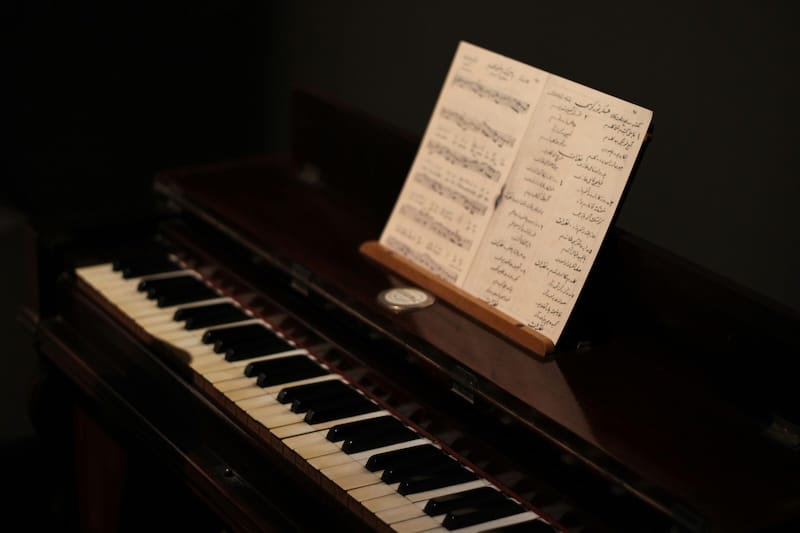
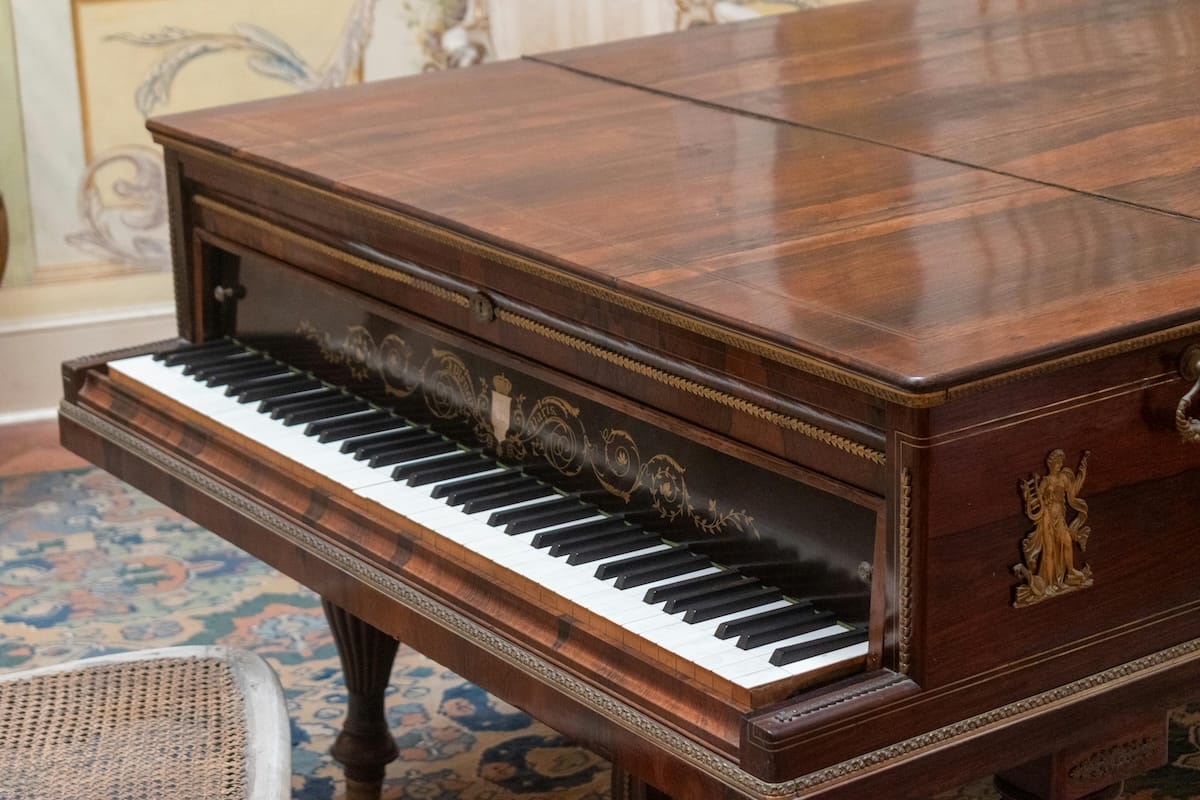
Most pianos have 88 keys (36 black ones and 52 white), allowing the pianist to play the majority of the piano repertoire, but this wasn’t always the case.
The amount of keys or “range” of the piano keyboard has expanded over time throughout the piano’s evolution.
Now there are pianos with more keys than the standard 88 for example: The Bosendorfer 290 (Imperial) and the Fazioli F308.
Your Piano- Your Music
Your Way




Created with systeme.io