
Your Piano - Your Music - Your Way
Emotions around managing pianos in a school
Meeting the teachers who manage pianos in schools
Music teachers who’ve been handed the job of managing their school’s pianos experience a wave of emotions.
Discomfort: This role of managing pianos is vague and foggy, with little helpful information to be found.
Hope: I'll ask for help. It can't be that hard.
Despair: Nobody wants to talk. Peers that might be managing pianos at other schools don't want to talk about what they do because they can't reveal sensitive information about their school. It's most likely that they're also in the dark and are confused about what to do.
I wish I could give teachers relief at this point and let them know that conversations with peers wouldn't really be that helpful because piano management looks different for each school.
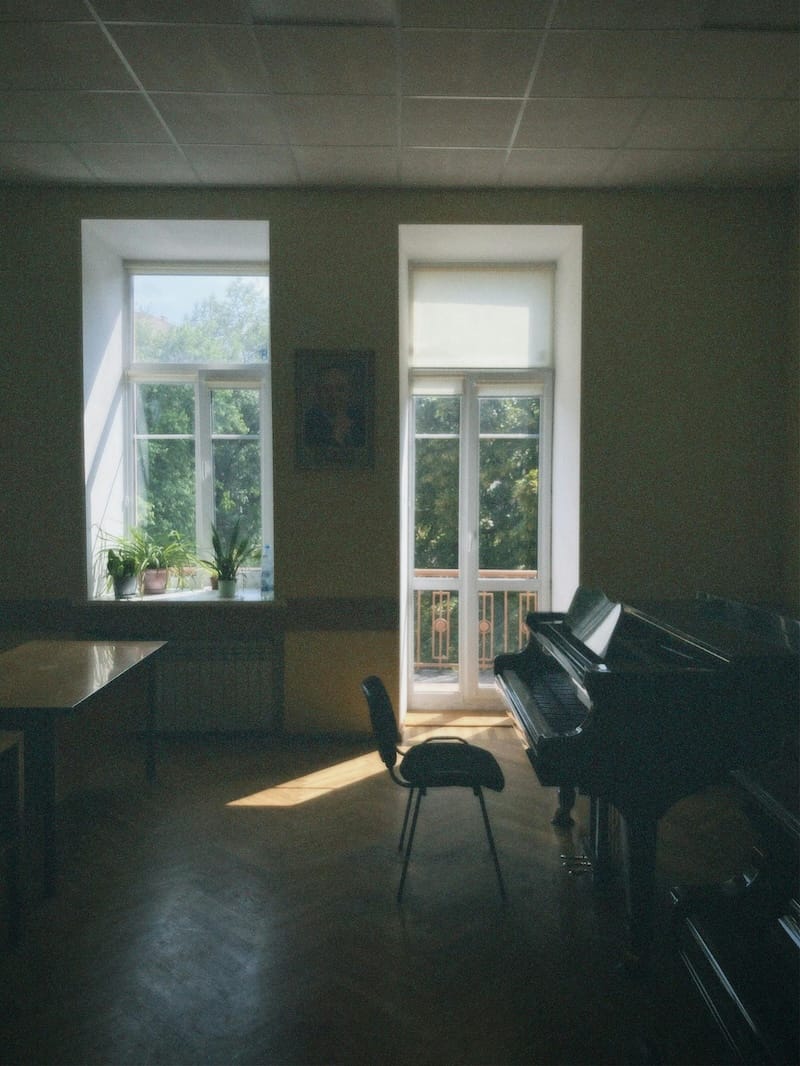
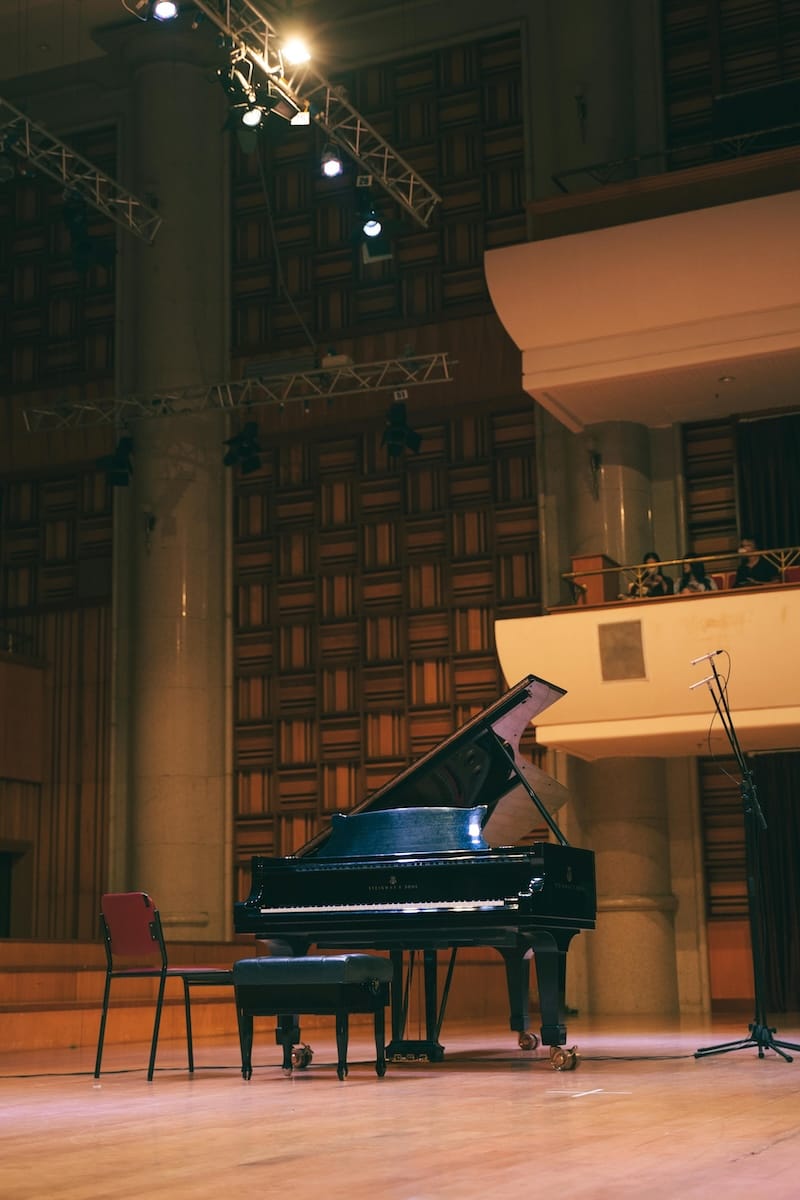
resentment: many teachers weren’t expecting this role and are surprised when it’s presented to them as “part of the job”. It comes with an unspoken expectation that it's "not a big deal".
But, managing pianos in a school is involved. Multiple pianos in a demanding environment have specific maintenance needs. Not only do the pianos need to be managed but so do the expectations, and opinions of others in the school community (particular people might immediately spring to mind for the teacher).
survival mode: Most commonly and understandably at this point, teachers do nothing until a problem arises.
They’re too swamped with the rest of their job to figure out where to start with the pianos .
They don't have the space to see that it's an amazing opportunity. Shaping a school’s piano fleet and planning its future can be incredibly powerful.
So, what happens next?
Crisis mode: A piano problem does arise and it's big. There are a number of different scenarios- case damage, age, mechanical problems, tuning issues, vermin, safety concerns, water damage.
Feeling isolated in their quest to solve this problem (it's urgent now), there are few people the teacher can turn to for help.
The most common choices are the piano retailer or the piano tuner/technician. These professionals are happy to help and they're both good at their jobs. One is good at selling pianos and one is good at fixing them and they offer what they can.
Relief/guilt: The teacher finds a solution (most likely a very expensive one - and often not the best one for the school). There’s usually a lot of controversy and stress, and then it’s back to survival mode until the next big piano problem.
Some schools and teachers are perpetually in this cycle. People taking leave and changing jobs can keep schools stuck here indefinitely. It's what a lot of teachers inherit when they come to a new job.
Read about what's involved with managing pianos in a school and how teachers are removing themselves from this cycle.


Your Piano- Your Music
Your Way




Created with systeme.io